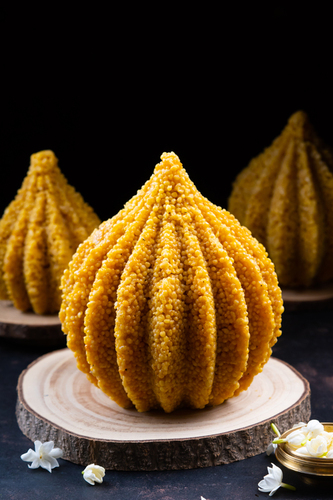
Modak: The Sweet Symbol of Tradition and Celebration
You’ve probably heard of modak—those little dumplings that steal the show during Ganesh Chaturthi. If you’ve ever tasted one, you’ll know exactly why they’re so special. For me, modak isn’t just a sweet; it’s a tradition, a memory, and a moment of connection with my family. Whether you’ve tried them before or not, let’s explore what makes modaks so beloved and why they hold such a special place in Indian culture.
What Makes Modak So Special?
Modak is more than just a treat. It’s a symbol of devotion, family, and tradition. These little dumplings are closely tied to Lord Ganesha, the god of new beginnings and the remover of obstacles. During the Ganesh Chaturthi festival, families come together to prepare modaks as an offering to Ganesha, inviting blessings of prosperity and success.
I remember, as a kid, I’d wait eagerly for Ganesh Chaturthi, not just for the festivities, but because it meant spending time with my family, preparing modaks together. The laughter, the chatter, and the joy of sharing those homemade sweets—it’s something I cherish even now.
Steamed vs. Fried Modak: Which One Do You Prefer?
When it comes to modaks, you have two main options: steamed or fried. Both are delicious, but they each bring something different to the table.
Steamed Modak (Ukdiche Modak)
- Soft and chewy: The rice flour dough is delicate, and the filling of grated coconut and jaggery is sweet and comforting.
- Moist and tender: Steaming gives these modaks a soft, melt-in-your-mouth texture.
- Classic choice: If you love simplicity, steamed modaks are the way to go.
Pro Tip: Steamed modaks are light and perfect for those who enjoy soft, sweet treats that aren’t too heavy.
Fried Modak (Talalele Modak)
- Crispy exterior: The dough is deep-fried to golden perfection, giving it a satisfying crunch.
- Sweet, gooey filling: The same coconut-jaggery mixture stays inside, but the frying adds an extra layer of texture.
- Perfect for snacking: If you like something crispy, fried modaks are your go-to.
Pro Tip: Fried modaks are perfect if you’re craving something a bit more indulgent—crispy on the outside, sweet on the inside.
Why Modak Isn’t Just a Sweet
You might be wondering, “Why all the fuss about a sweet dumpling?” Well, modaks carry a lot of meaning. They’re not just about food—they represent something much bigger.
- A Symbol of Devotion: Modak is considered Lord Ganesha’s favorite sweet. Offering modaks during the festival is a way of showing love and respect to Ganesha, seeking his blessings for prosperity and success.
- A Family Tradition: For many of us, making modaks is an annual tradition that’s been passed down through generations. I still remember how my family would gather around the kitchen, each person contributing to the modak-making process. It wasn’t just about the sweets—it was about being together.
- A Connection to Culture: Modak reminds us of our roots. For me, it’s a way to stay connected to my culture and heritage. Even if I’m far away from home, making modaks brings back those warm, familiar feelings.
Fun Variations to Try
Once you’ve mastered the classic modak, why not get a little creative? There are so many fun variations to try, and I promise they’ll be just as delicious.
- Chocolate Modak: Add cocoa powder to the filling or drizzle melted chocolate on top for a rich, indulgent twist. It’s perfect if you’re a chocolate lover!
- Mango Modak: Use mango puree mixed with coconut and jaggery for a refreshing, fruity take on the classic. It’s especially great during the mango season.
- Vegan Modak: If you’re looking for a vegan option, you can easily swap ghee with coconut oil and use maple syrup or coconut sugar instead of jaggery. It’s a great way to enjoy modaks while sticking to plant-based ingredients.
Why Modaks Are More Than Just a Sweet
There’s a reason modaks hold such a special place in our hearts. They represent more than just the food itself. They’re about the memories, the family bonds, and the traditions that have been passed down through generations. Whether you make them yourself, share them with loved ones, or offer them to Ganesha, modaks are a symbol of love and celebration.
So, the next time you have a modak in your hand, take a moment to appreciate the connection it brings—to your culture, your family, and the generations that have kept this tradition alive.